

Is an Attic Solar Fan the Best Choice for Heat Reduction
Attic solar fans, especially those designed and supplied by SUNNY INTERNATIONAL POWER LIMITED (SIPL), offer a solar-powered method for venting hot air from attics and reducing heat transfer into buildings. These fans are cost-effective, run entirely on solar energy, and help lower air conditioning costs, protect roofing materials, and improve indoor comfort. They require relatively little maintenance and are straightforward to install with the right expertise. However, their efficiency depends on sunlight exposure and proper ventilation balance within the attic. Compared to alternatives like electric fans, passive venting, and improved insulation, SIPL attic solar fans provide a unique blend of effectiveness, energy savings, and sustainability. When paired with additional insulation and passive venting, they can deliver optimal results for most residential and commercial buildings. SIPL's product range, professional installation support, and commitment to green energy make their attic solar fans a compelling choice for heat reduction and energy savings, especially in sunny climates.
With rising energy bills and increasingly hot summers, homeowners and businesses are searching for smarter, more eco-friendly solutions to keep their buildings cooler. Among the innovative products available, attic solar fans have gained significant attention. SUNNY INTERNATIONAL POWER LIMITED (SIPL), a pioneering name in solar energy solutions, offers a range of efficient attic solar fans designed to address thermal challenges in modern buildings. But is an attic solar fan truly the best choice for heat reduction? In this comprehensive article, SIPL explores the technology, benefits, limitations, and alternatives to attic solar fans to help you make an informed decision.
The Science Behind Attic Heat Build-Up
Before considering a solution, it's crucial to understand the problem. Attics often act as heat traps, especially during the summer months. Sunlight heats up the roof, and without proper ventilation, this heat radiates into the attic space, raising temperatures to levels significantly higher than the outdoors. This excess heat can seep into living areas below, making it harder for air conditioners to cool spaces and increasing energy consumption.
undefined
Furthermore, high attic temperatures can damage roofing materials, reduce insulation efficiency, and contribute to moisture problems. Addressing attic heat is not only about comfort but also about preserving your investment and reducing your carbon footprint.
What Is an Attic Solar Fan?
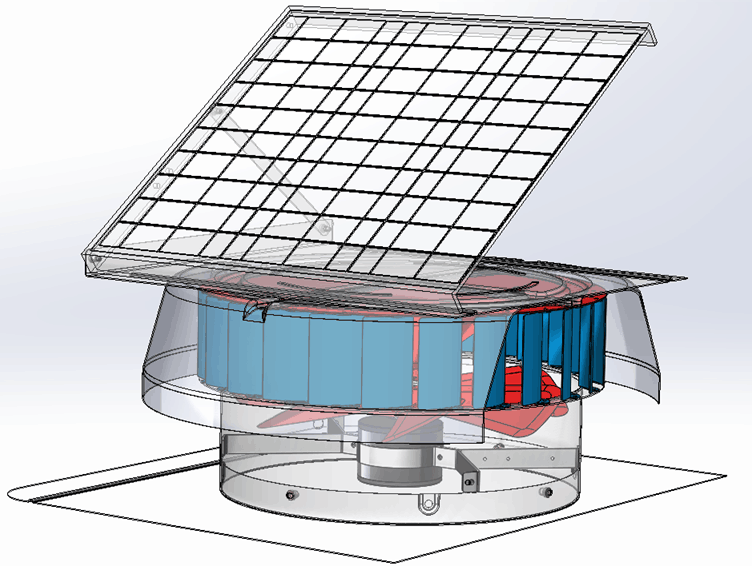
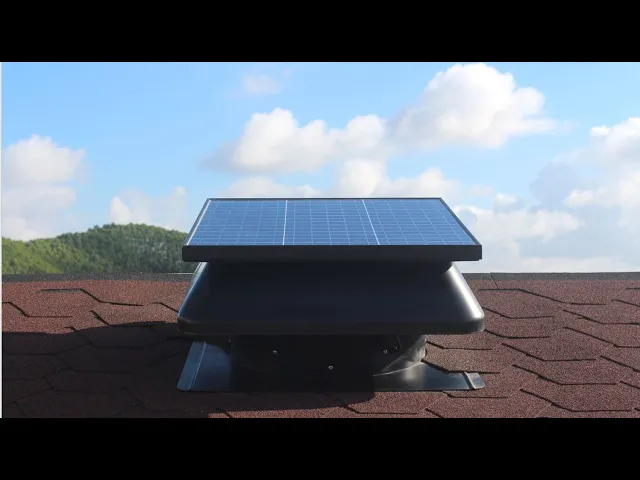
An attic solar fan is a ventilation device powered by solar panels, designed to expel hot air from the attic space and draw in cooler outside air. SIPL’s range of attic solar fans incorporates advanced photovoltaic technology, ensuring efficient operation even during partially cloudy conditions. These fans are typically mounted on the roof or gable ends and activate automatically as sunlight hits the solar panel.
40W solar louvered wall fan-with adapter
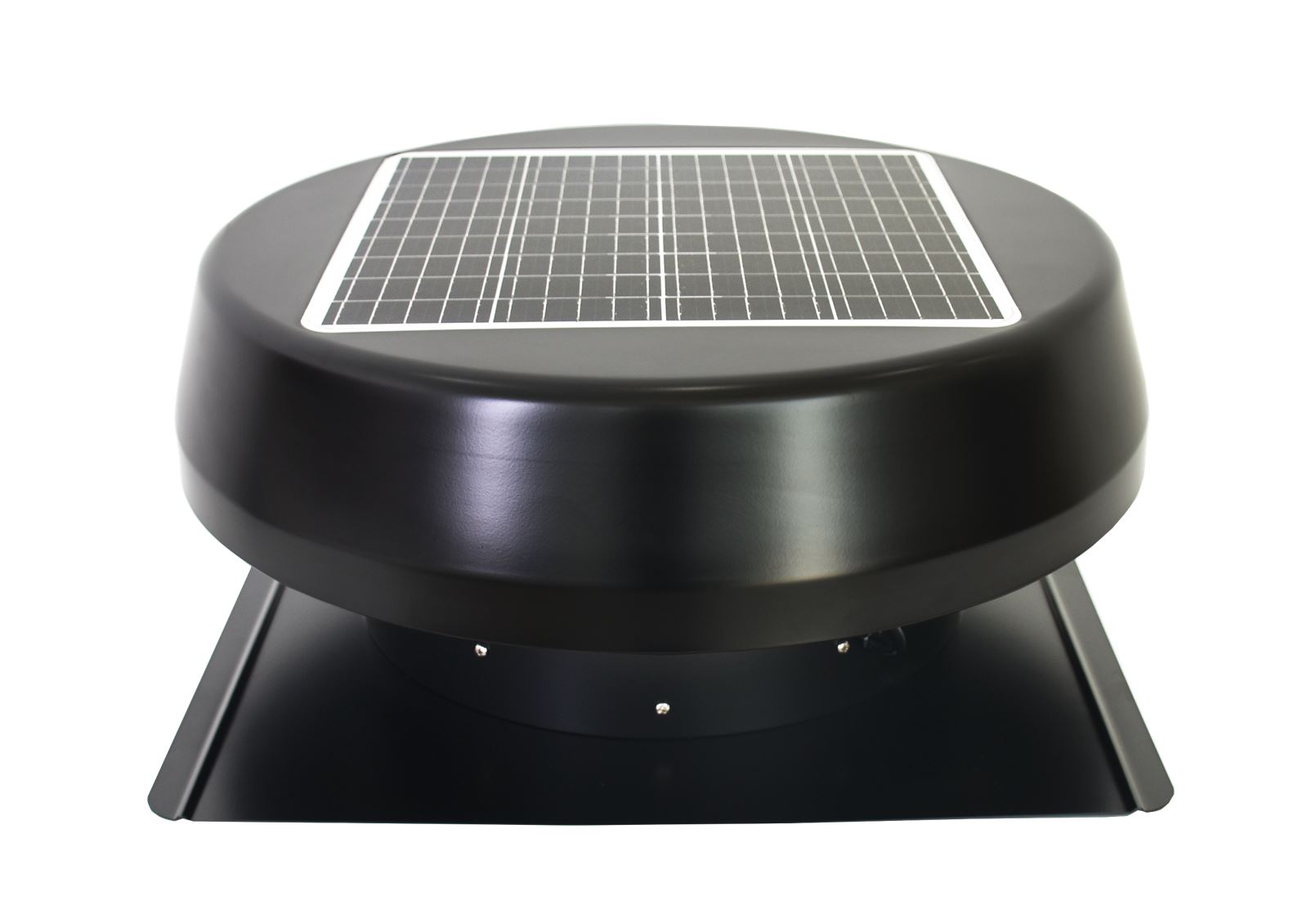
60W 14 inch round split type Solar Attic Roof Fan
Solar LED Skylight for day use -30cm round
Solar LED Skylight with Adapter -30cm round
362W solar group wall fan
40W+40W solar ceiling exhaust fan-with battery
How Attic Solar Fans Work
- Solar panels capture sunlight and convert it into electricity.
- This electricity powers a fan motor, which activates the fan blades.
- Hot air is pushed out of the attic, creating negative pressure.
- Cooler outside air is drawn in through soffit or other passive vents.
- This continuous air exchange keeps attic temperatures closer to that of the outdoors, reducing the heat load on the building below.
The Benefits of Attic Solar Fans by SIPL
1. Energy Efficiency
Since SIPL attic solar fans are powered entirely by sunlight, they operate without increasing your electricity bills. This is a significant advantage over traditional electric attic fans, which contribute to your home’s energy consumption. Solar fans work hardest precisely when you need them most — on sunny and hot days.
2. Reduction in Cooling Costs
By venting hot air from the attic, SIPL solar fans can reduce the demand on your air conditioning system. This can lead to a noticeable decrease in cooling costs during the hotter months. Many homeowners report savings of up to 30% on their air conditioning bills after installing a properly sized solar attic fan.
3. Prolonged Roof Life
Extreme attic temperatures can bake shingles from underneath, warp wood, and degrade roofing materials. By maintaining a cooler attic, SIPL solar fans help protect your roof and prolong its lifespan, reducing maintenance and replacement expenses.
4. Improved Indoor Comfort
Homes with proper attic ventilation experience more consistent indoor temperatures. Hot air is less likely to seep into living spaces, minimizing uncomfortable temperature fluctuations and reducing the load on your HVAC system.
5. Easy Installation and Maintenance
SIPL attic solar fans are designed for straightforward installation, often requiring minimal wiring or structural modifications. Maintenance is generally limited to occasional cleaning of the solar panel and checking for debris.
Potential Limitations of Attic Solar Fans
Despite their many benefits, attic solar fans may not be the ideal solution for every property or climate. SIPL encourages customers to consider the following factors before making a decision:
Dependence on Sunlight
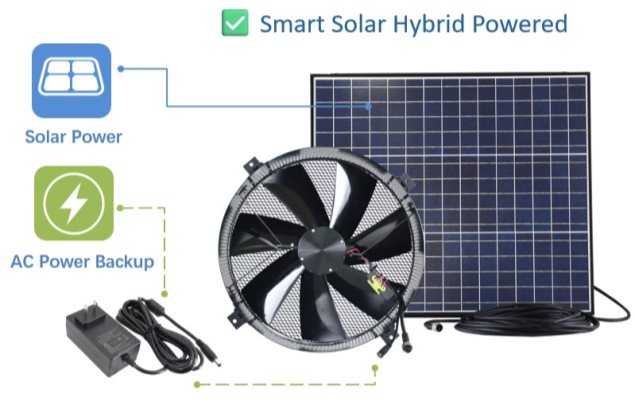
Solar fans operate at peak efficiency only when exposed to direct sunlight. In regions with frequent cloud cover, heavy shade, or during the winter months, the effectiveness of the fan may be reduced. SIPL offers models with supplemental battery storage or hybrid power options to mitigate this limitation.
Ventilation Balance
For attic ventilation to work effectively, there must be a balance between intake (cool air coming in) and exhaust (hot air going out). If your attic lacks sufficient intake vents, the fan may struggle to move enough air, reducing its cooling potential.
Roof Penetration and Water Leaks
Improper installation can lead to roof leaks or structural damage. SIPL strongly recommends professional installation to ensure weatherproofing and optimal performance.
Noise Considerations
While SIPL fans are engineered for quiet operation, any mechanical device may emit some noise. Sensitive areas, such as bedrooms directly beneath the attic space, may experience low-level humming during fan operation.
Comparison: Attic Solar Fans vs. Alternative Solutions
Attic heat reduction can be approached in several ways. Here’s how SIPL attic solar fans stack up against common alternatives:
| Solution | Cost | Energy Use | Effectiveness | Maintenance |
|---|---|---|---|---|
| Attic Solar Fan (SIPL) | Moderate (one-time) | Zero (solar-powered) | High (with proper venting) | Low |
| Electric Attic Fan | Low-Moderate | Ongoing (grid electricity) | High | Low |
| Passive Venting (Soffit/Ridge) | Low | Zero | Moderate | Low |
| Radiant Barrier Insulation | Moderate-High | Zero | Varies (climate-dependent) | Very Low |
| Increasing Roof Insulation | High | Zero | Moderate-High | Very Low |
SIPL attic solar fans offer a unique combination of high effectiveness, low running costs, and environmental benefits. However, for optimal results, they can be combined with other solutions such as increased insulation or radiant barriers.
Choosing the Right SIPL Attic Solar Fan
SIPL provides a variety of attic solar fan models, each tailored to different roof sizes, climates, and architectural requirements. When selecting a fan, consider the following:
- Attic Size: Match the fan’s CFM (cubic feet per minute) rating to your attic’s volume.
- Roof Type/Degree of Sun Exposure: SIPL offers adjustable solar panel mounts for optimal angle and exposure.
- Climate: In humid climates, choose a model with humidity sensors or hybrid power options.
- Ease of Installation: Professional installation may be advisable for complex roofs or if retrofitting into existing venting systems.
Installation and Maintenance Tips from SIPL
- Site Assessment: Ensure the installation site receives ample sunlight throughout the day.
- Vent Balance: Confirm adequate intake and exhaust venting to maximize airflow.
- Weatherproofing: Use SIPL-recommended flashing and sealant materials to prevent leaks.
- Regular Cleaning: Periodically remove debris from the solar panel and check for obstructions in vent openings.
SIPL’s customer support team can guide you through the entire process, from product selection to professional installation and after-sales service.
Case Studies: Real-World Performance of SIPL Attic Solar Fans
Family Home in Phoenix, Arizona
A SIPL 40W solar attic fan was installed on a single-story, 2,000-square-foot home. Temperature sensors recorded an average attic temperature reduction of 25°F during peak summer afternoons. The homeowner reported a 28% decrease in summer cooling bills and a noticeable improvement in upstairs comfort.
Commercial Office in Dallas, Texas
A SIPL dual-fan system was deployed in a 5,000-square-foot flat roof office building. The system operated autonomously and reduced the HVAC system’s workload, minimizing temperature spikes in top-floor rooms. The building manager noted easier maintenance compared to electric fans and praised the system’s silent operation.
Sustainability and Environmental Impact
SIPL is committed to sustainability and green building practices. By harnessing renewable solar energy, attic solar fans produce zero carbon emissions and help reduce peak electricity demand. Widespread adoption of SIPL solar attic fans can contribute to more sustainable, resilient communities and support global climate goals.
Frequently Asked Questions (FAQs)
- Are SIPL attic solar fans noisy?
SIPL designs all models for quiet, unobtrusive operation. Most users report only faint background noise during operation. - Do attic solar fans work in winter?
Yes, they help expel moisture and prevent condensation, though the cooling effect is less critical during cold months. - Can attic solar fans be installed on any roof?
SIPL offers fans and mounting accessories for most roof types, including tile, shingle, and metal. - How long do the fans last?
SIPL solar fans are built to last 15–20 years, with extended warranties available. - Are government rebates or incentives available?
Many regions offer rebates or tax credits for solar-powered home improvements. SIPL can assist with documentation for incentive programs.
Summary Table: Pros and Cons of SIPL Attic Solar Fans
| Pros | Cons |
|---|---|
|
|
Expert Tips from SUNNY INTERNATIONAL POWER LIMITED
- Combine Solutions: For best results, use SIPL solar fans alongside improved insulation and passive venting.
- Annual Inspection: Check fan performance and clear any obstructions at least once per year.
- Consult SIPL’s Expert Team: For complex projects or large buildings, SIPL offers custom ventilation solutions tailored to your needs.

-
How Can Solar Powered Vent Fans Improve Your Home Cooling
넶16 2026-07-17 -
-

-
-
-