

How Can Efficient Ventilation Improve Your Roof Fan for Warehouse Factory
Efficient ventilation is essential for maximizing the performance and benefits of roof fans in warehouse and factory settings. SUNNY INTERNATIONAL POWER LIMITED (SIPL) emphasizes that a well-designed ventilation system enhances air circulation, controls temperature and humidity, improves health and safety, and significantly reduces energy costs. By assessing individual facility needs, integrating natural and mechanical ventilation, leveraging smart controls, and ensuring regular maintenance, SIPL enables industrial clients to achieve optimal indoor conditions. Real-world case studies demonstrate up to 40% improvement in air quality and substantial energy savings. SIPL’s innovative technologies and tailored solutions not only ensure regulatory compliance and worker well-being but also contribute to environmental sustainability. With expert guidance and ongoing support, SIPL stands out as a reliable partner for effective, long-lasting industrial ventilation solutions.
Warehouses and factories are vital cogs in the wheel of modern industry, often operating around the clock. The demand for optimal indoor air quality and temperature regulation is paramount for both productivity and safety. At SUNNY INTERNATIONAL POWER LIMITED (SIPL), we understand that a powerful roof fan alone is not sufficient—efficient ventilation systems are crucial for ensuring your roof fan performs to its maximum potential in large industrial spaces.
The Role of Efficient Ventilation in Industrial Settings
Ventilation is the process of exchanging or replacing air within a space to control temperature, remove moisture, odors, smoke, heat, dust, airborne bacteria, and carbon dioxide. In warehouse and factory environments, proper ventilation ensures that the workspace remains comfortable and safe for employees and protects valuable inventory and machinery from environmental hazards.
SIPL emphasizes that a roof fan, when supported by an optimized ventilation design, can significantly improve air quality and reduce the accumulation of heat and contaminants. Effective ventilation is not just about introducing fresh air but also about the strategic movement and extraction of stale air to maintain balance.
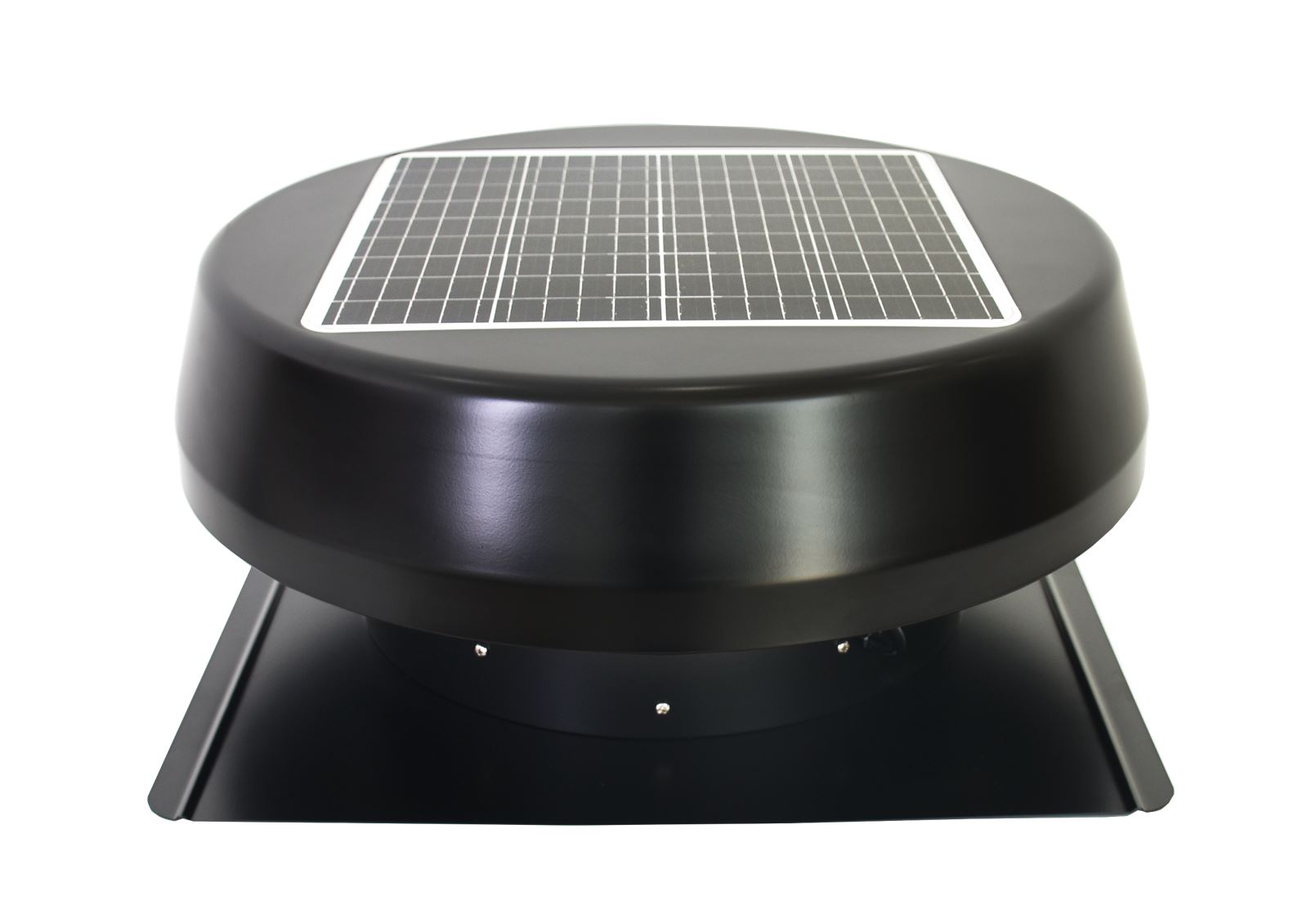
Key Benefits of Efficient Ventilation for Roof Fans
- Enhanced Air Circulation: Proper ventilation ensures that the air circulated by your roof fan is distributed evenly, reducing hot spots and stagnant air pockets.
- Temperature Regulation: By facilitating the expulsion of hot air, efficient ventilation helps maintain acceptable temperature levels even during peak production times or hot weather.
- Humidity Control: SIPL highlights that controlling moisture is essential to prevent mold growth and material degradation within your warehouse or factory.
- Improved Health & Safety: Efficient ventilation dilutes airborne contaminants, reducing the risk of respiratory issues and improving overall employee well-being.
- Energy Efficiency: Integrating intelligent ventilation with your roof fans reduces reliance on energy-hungry cooling systems, resulting in lower operational costs.
Optimizing Your Roof Fan with SIPL’s Advanced Ventilation Strategies
1. Assessing Building Design and Airflow Dynamics
Every warehouse and factory is unique in layout and operational demands. The experts at SIPL recommend a comprehensive evaluation of your facility’s design, including ceiling height, floor space, partitioning, and equipment placement. This assessment determines the optimal placement and capacity for roof fans and supporting ventilation systems, ensuring complete coverage and efficient airflow.
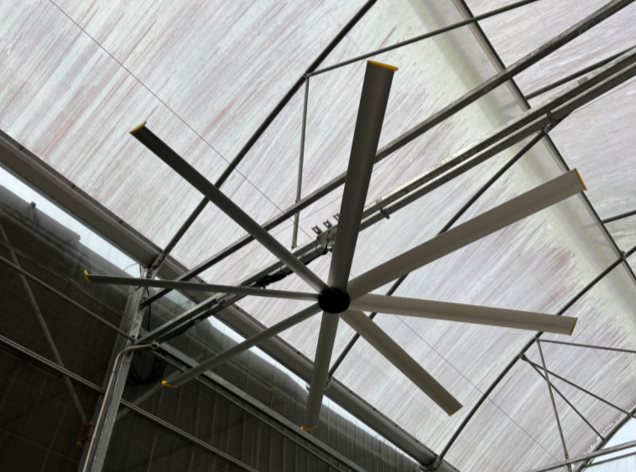
60 inch with battery Solar Ceiliing Fan
Solar LED Skylight with Adapter -30x60cm
42 inch with adapter Solar Ceiliing Fan
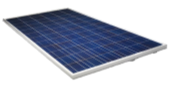
60W 14 inch square Solar Attic Roof Fan
25W 14 inch square Solar Attic Roof Fan
2. Integrating Natural and Mechanical Ventilation
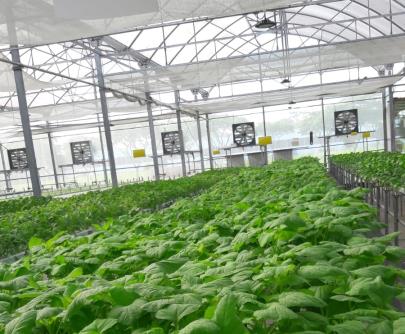
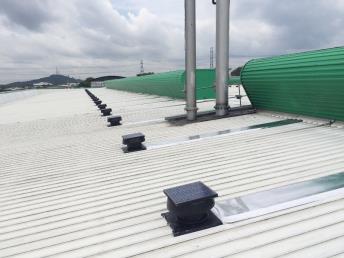
SIPL advocates for a hybrid ventilation approach. While mechanical roof fans quickly extract large volumes of air, incorporating natural ventilation elements—like strategically placed vents, louvers, or windows—can enhance air exchange, especially in mild weather. This synergy leads to continuous airflow, reduced strain on fans, and improved energy savings.
3. Implementing Smart Controls and Automation
Modern ventilation solutions from SIPL come equipped with intelligent sensors and automation features. These systems monitor temperature, humidity, CO2 levels, and particulates, automatically adjusting the roof fan’s speed and ventilation settings to maintain ideal conditions. Automation not only boosts efficiency but also extends the lifespan of your ventilation equipment.
4. Regular Maintenance and Performance Monitoring
To sustain top performance, SIPL recommends a proactive maintenance schedule for both fans and ventilation systems. Regular inspections for dust buildup, mechanical wear, and motor efficiency ensure that your roof fan operates smoothly. Performance monitoring allows for quick identification of issues before they escalate, minimizing downtime and repair costs.
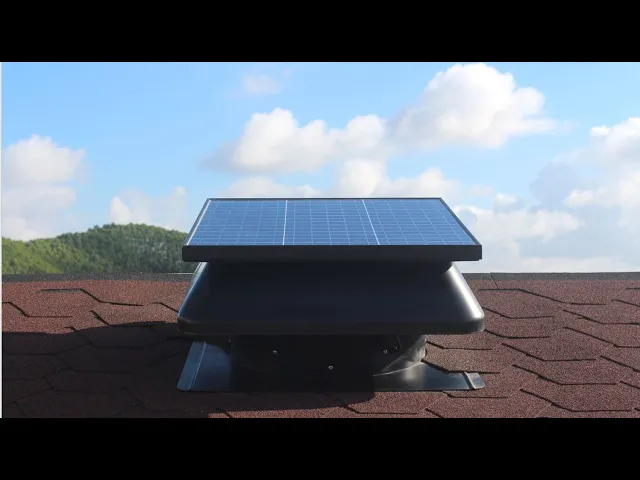
5. Customizing Solutions for Specific Industrial Needs
No two factories or warehouses are identical in their requirements. SIPL specializes in designing tailored ventilation solutions based on the specific needs of your industry—be it food processing, electronics manufacturing, automotive assembly, or logistics warehousing. This bespoke approach takes into account production processes, occupancy levels, pollutant sources, and energy consumption patterns.
Case Studies: Real-World Applications by SIPL
Case Study 1: Electronics Manufacturing Plant
An electronics assembly facility faced challenges with heat accumulation and dust contamination, threatening both product quality and worker health. SIPL installed high-capacity roof fans complemented by HEPA-filtered intake vents and automated climate controls. The result was a 40% reduction in airborne particulates and a stabilized indoor temperature, greatly improving production efficiency and employee satisfaction.
Case Study 2: Logistics Warehouse
A large logistics center experienced uneven temperatures and condensation issues due to poor airflow. SIPL’s engineers redesigned the ventilation layout, adding strategically positioned exhaust fans and integrating natural venting panels. The improved system eliminated condensation, balanced temperature distribution, and reduced energy consumption by 30% within six months.
Best Practices for Implementing Efficient Ventilation
- Conduct Airflow Analysis: Use advanced modeling tools to visualize and predict airflow patterns in your facility before installation.
- Optimize Fan Placement: Locate roof fans at the highest points and away from obstructions to maximize extraction efficiency.
- Balance Intake and Exhaust: Ensure that the volume of air entering matches the volume exiting, preventing pressure imbalances.
- Use Quality Components: SIPL sources durable, corrosion-resistant materials to withstand industrial environments.
- Train Staff: Educate maintenance teams on system operation, troubleshooting, and cleaning protocols for sustained performance.
Innovations in Industrial Roof Fan Ventilation by SIPL
SIPL continually invests in research and development to stay at the forefront of ventilation technology. Our latest roof fan models feature aerodynamic blades for increased airflow with minimal noise, energy-efficient motors, and modular designs that allow easy integration with existing building management systems. Our commitment to innovation ensures that your investment in ventilation technology not only meets today’s needs but anticipates tomorrow’s challenges.
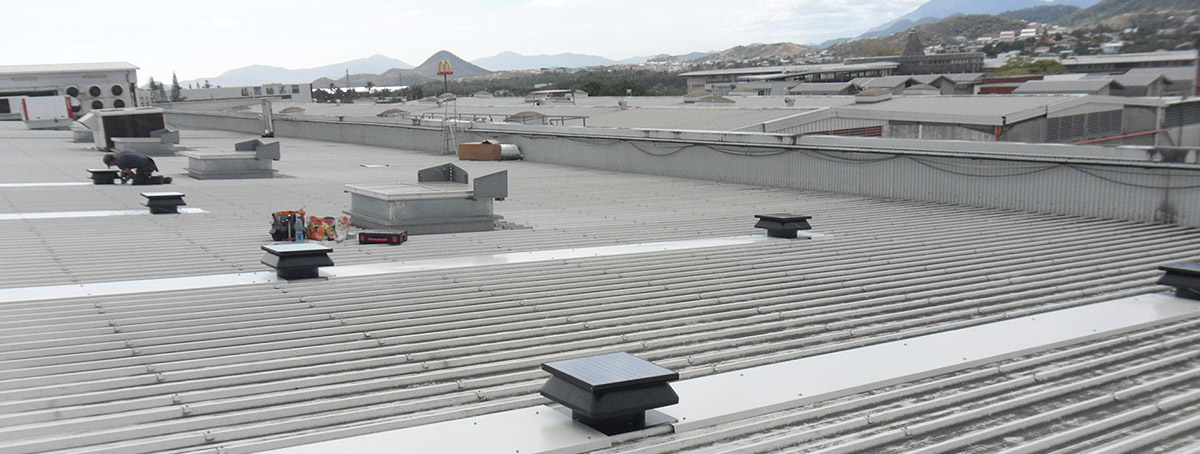
Environmental and Economic Impact
Efficient ventilation has far-reaching consequences beyond improving comfort and safety. SIPL’s solutions are designed to support green building initiatives, reduce greenhouse gas emissions, and lower the overall carbon footprint of industrial operations. By minimizing energy waste and maintaining optimal indoor conditions, companies can achieve compliance with environmental regulations and contribute to sustainable industry practices.
Frequently Asked Questions (FAQ)
- How often should ventilation systems be inspected?
SIPL recommends quarterly inspections for industrial ventilation setups, with more frequent checks during peak activity periods. - Can efficient ventilation reduce operating costs?
Absolutely. By improving airflow and reducing reliance on HVAC systems, energy costs can be cut by up to 40% in some cases. - What is the typical lifespan of a roof fan system?
With regular maintenance and quality components from SIPL, roof fans can function efficiently for 10-15 years or more. - Does efficient ventilation help meet workplace safety standards?
Yes. Proper airflow control reduces exposure to hazardous substances and maintains compliance with health and safety regulations.
Why Partner with SUNNY INTERNATIONAL POWER LIMITED (SIPL)?
As a global leader in industrial ventilation, SIPL offers comprehensive consultation, design, installation, and after-sales support. Our engineers bring decades of experience and a customer-first approach, ensuring your warehouse or factory benefits from the best in ventilation technology. From initial airflow analysis to custom system integration and ongoing maintenance, SIPL is your trusted partner for creating a safer, more productive industrial environment.

-
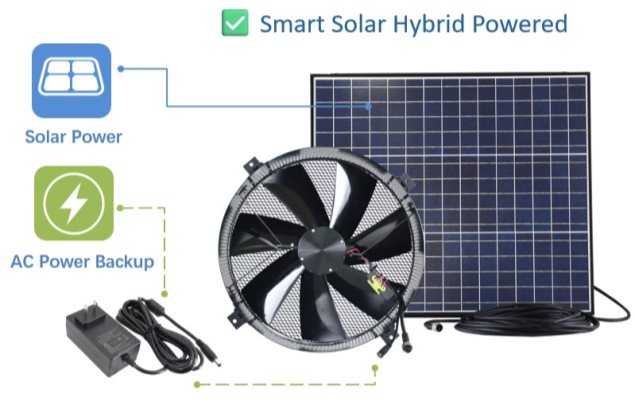
How Can Solar Powered Vent Fans Improve Your Home Cooling
넶16 2026-07-17 -
-
-
-
-